Congressional Black Caucus Foundation 27th Annual Legislative Conference ProgramSeptember 1997
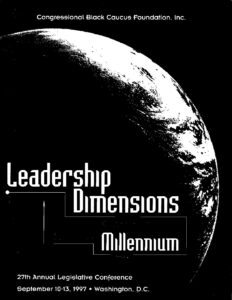
Leadership Dimensions for the New Millennium
Read More

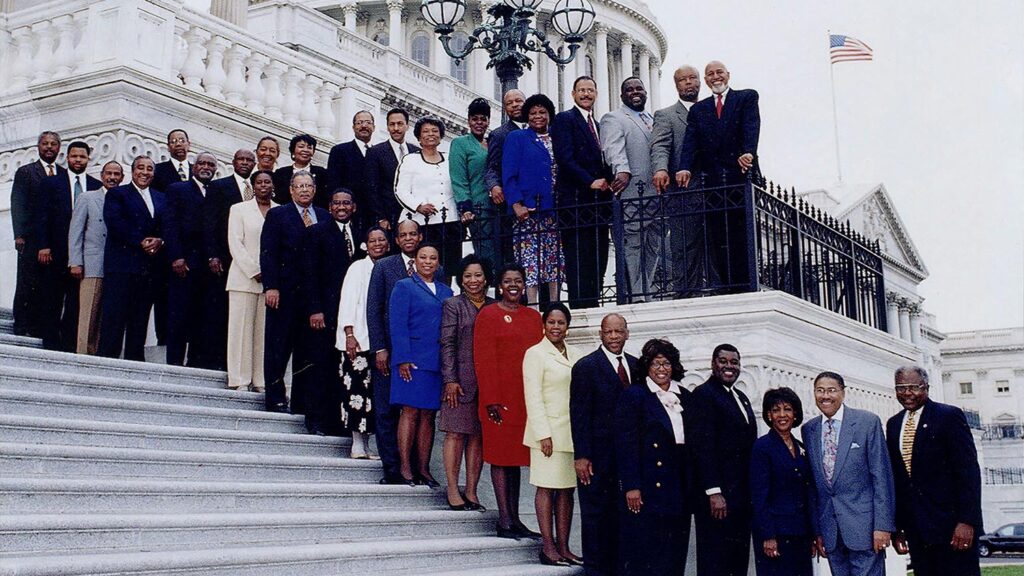
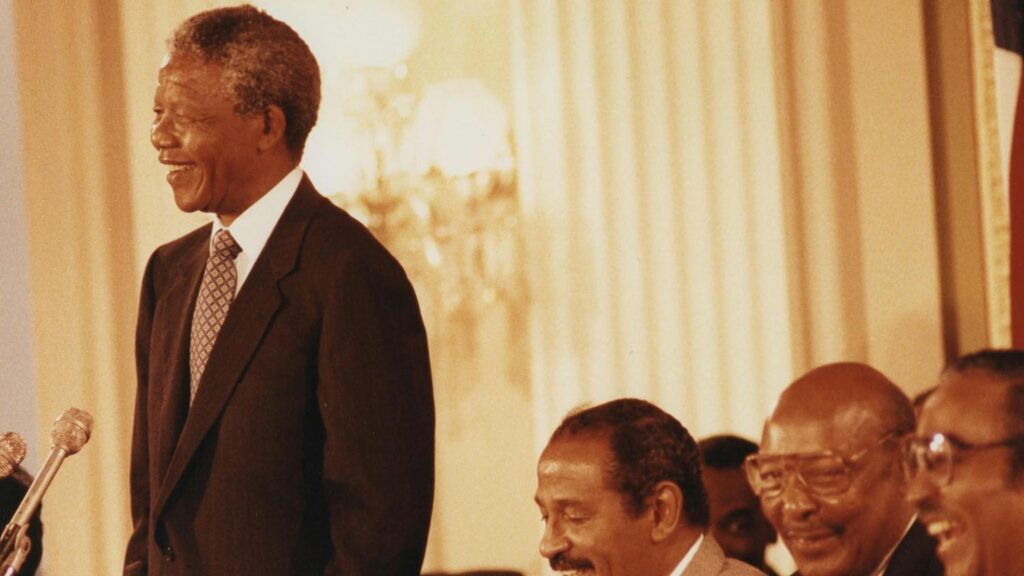
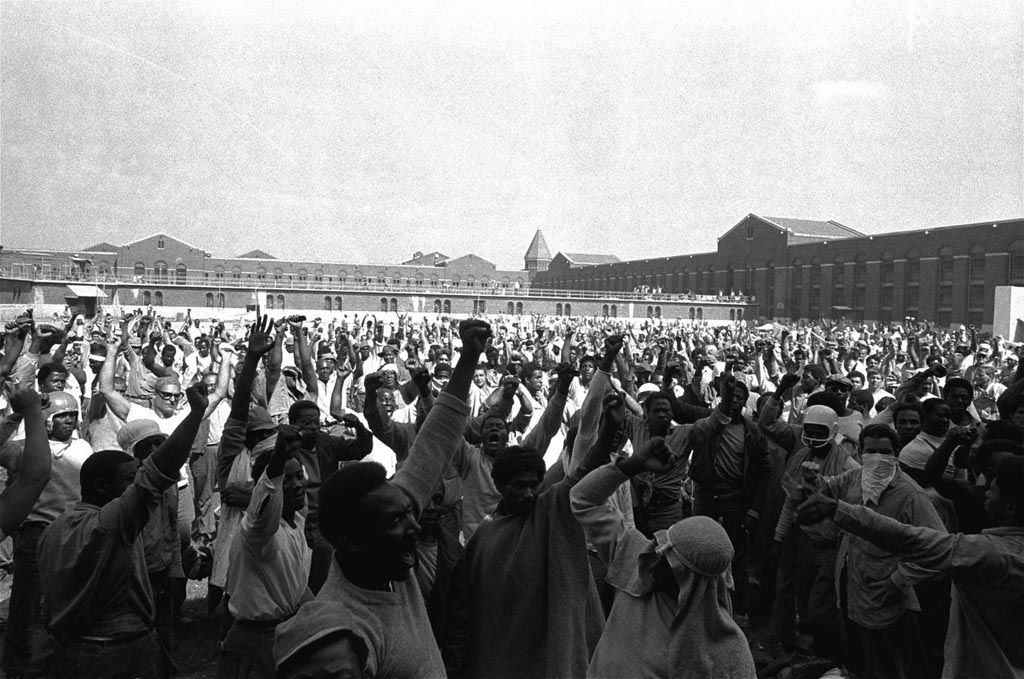
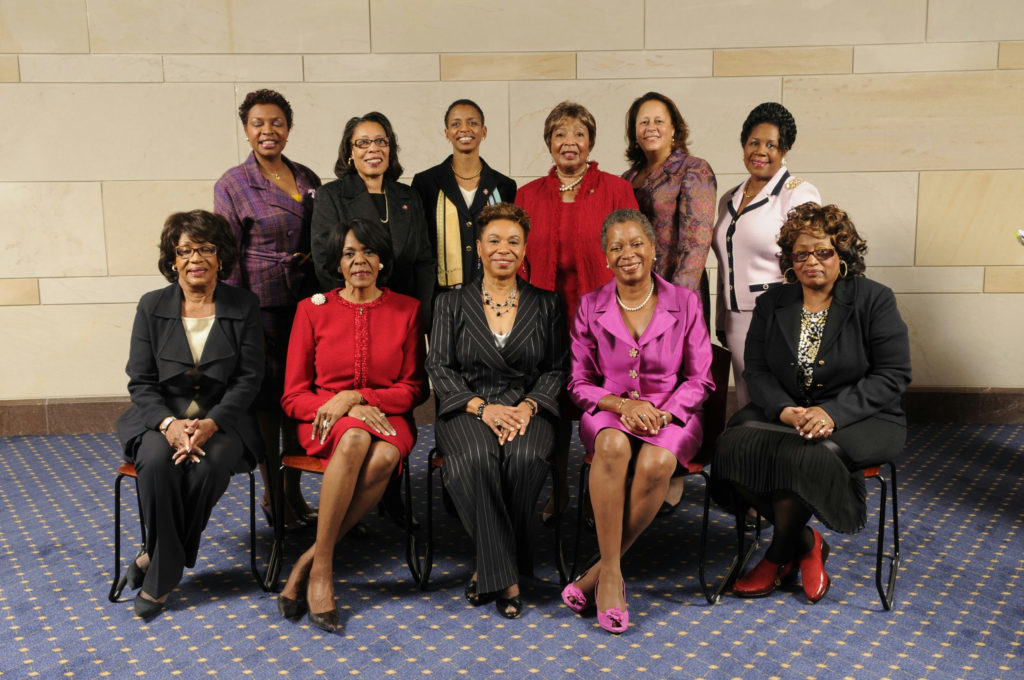
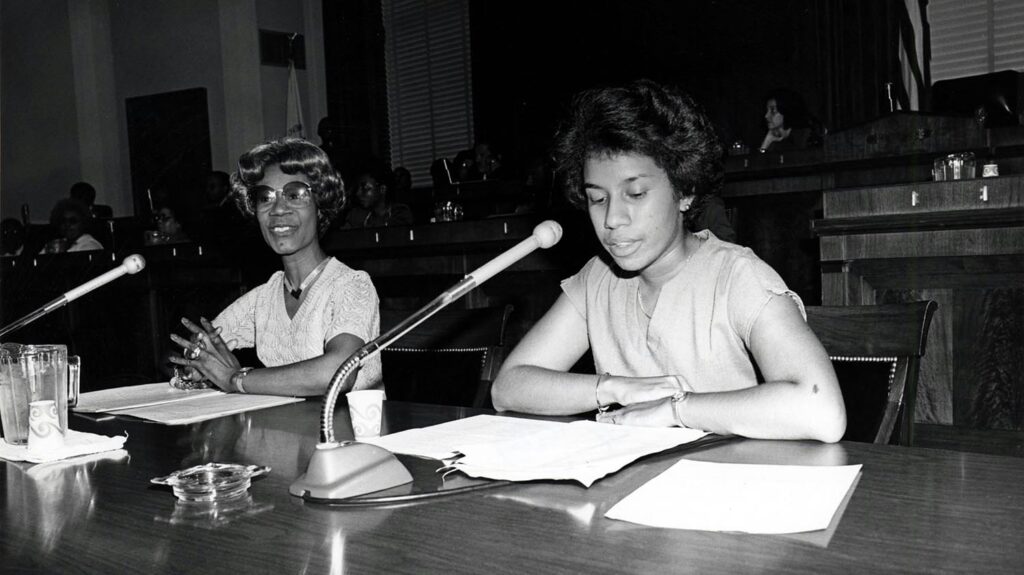
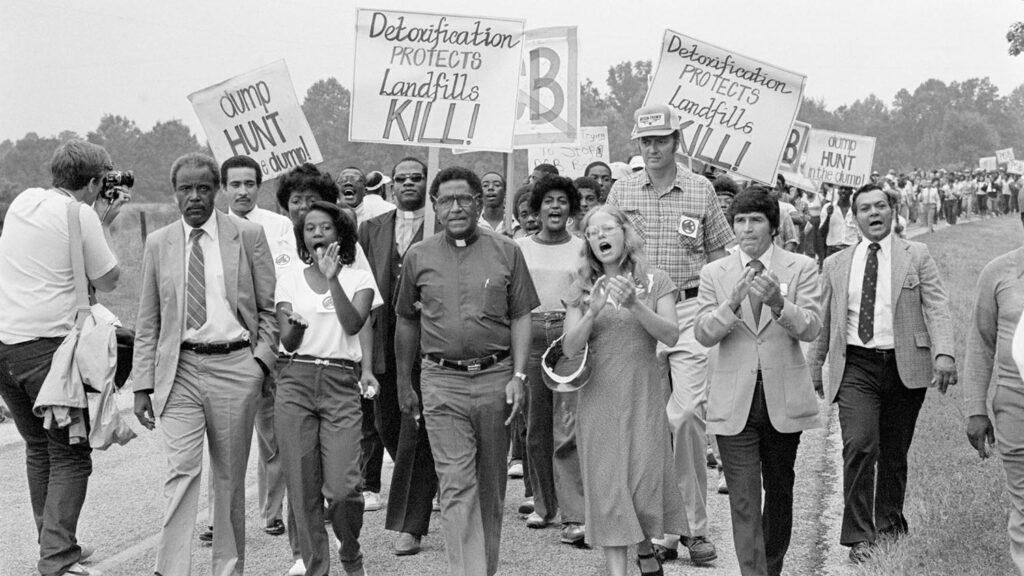
Congressional Black Caucus Foundation 27th Annual Legislative Conference ProgramSeptember 1997
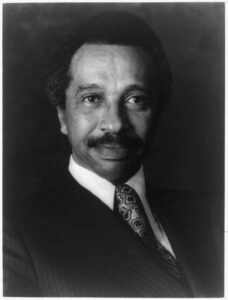
Representative of Maryland's Seventh Congressional District from January 3, 1971 to January 3, 1987 (92dn-99th Congresses)
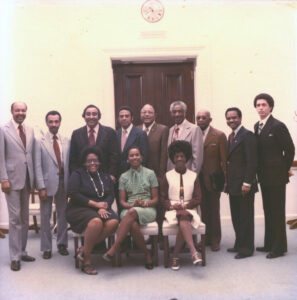
Left to Right: (front row) Rep. Cardiss Collins, Rep. Yvonne Burke, Rep. Shirley Chisholm (back row) Rep. Louis Stokes, Rep. Parren Mitchell, Rep. Charles Rangel, Rep. Andrew Young, Rep. Charles Diggs Jr., Rep. Ralph Metcalfe, Rep. Robert Nix, Del. Walter Fauntroy,...
Congressional Black Caucus Foundation 29th Annual Legislative ConferenceSeptember 1999
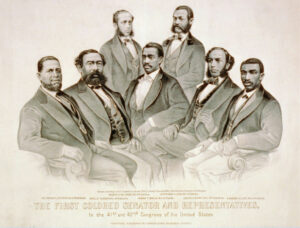
Group portrait of African American legislators from the 41st and 42nd Congresses: Rep. Robert DeLarge (R-SC), Rep. Jefferson Long (R-GA), Sen. Hiram Revels (R-MS), Rep. Benjamin Turner (R-AL), Rep. Josiah Walls (R-FL), Rep. Joseph Rainy (R-SC), and Rep. Robert Elliot...
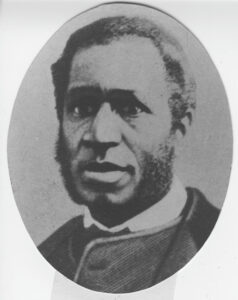
Representative of South Carolina from March 4, 1873 to March 3, 1875 and from March 4, 1877 to March 3, 1879 (43rd and 45th Congresses)
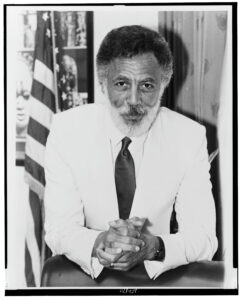
Representative of California's Eighth Congressional District from January 3, 1971 to February 6, 1998 (92nd-105th Congresses)

Representative of South Carolina's Second Congressional District from March 3, 1873 to March 3, 1875 (43rd Congress)
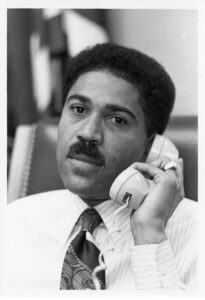
Representative of Missouri's First Congressional District from January 3, 1969 to January 3, 2001 (91st-106th Congresses)
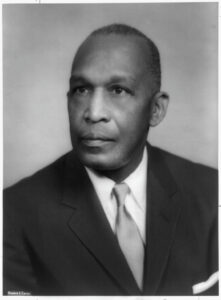
Representative of Pennsylvania's Second Congressional District from June 4, 1958 to January 3, 1979 (85th-95th Congresses)
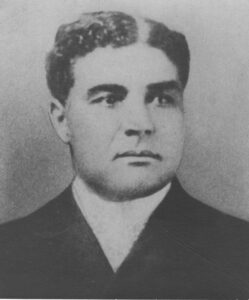
Representative of North Carolina's Second Congressional District from March 4, 1889 to March 3, 1893 (51st-52nd Congresses)